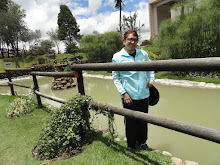
miércoles, 26 de junio de 2019
El profesor Roimer López Docente del Colegio Nacional Loperena de Valledupar-visitando NABUSÍMAKE (pueblo arhuaco en la Sierra Nevada de Santa Marta- Colombia
Otro vídeo de la Sierra Nevada de Santa Marta (Colombia) pueblo de Nabusímake en la Sierra...

miércoles, 15 de mayo de 2019
FELIZ DÍA DEL MAESTRO
HOY EN MUCHAS PARTES DEL MUNDO, CELEBRAN EL 15 DE MAYO COMO EL DÍA DEL MAESTRO... GOOGLE QUIZO PARTICIPAR DE ESTA CELEBRACIÓN CON EL SIGUIENTE DOODLE:

PARA VER ESTA IMÁGEN EN GOOGLE, PUEDES IR AL SIGUIENTE VÍNCULO:
! #GoogleDoodle https://www.google.com/doodles https://www.milenio.com/tecnologia/dia-del-maestro-que-es-y-por-que-aparece-en-el-doodle-del-15-de-mayo
¿Por qué se celebra un 15 de mayo el día del maestro?
Para saber la razón, leamos algunos de los artículos que al respecto se han publicado:
Veamos qué dice GOOGLE
¿Qué es el Día del Maestro? El Día del Maestro tiene por objetivo sensibilizar sobre la importancia y el rol de los profesores en el sistema educativo, y se celebra en nuestro país desde 1917 cuando un grupo diputados enviaron una iniciativa al Congreso para festejar a los trabajadores de la educación. Se eligió el 15 de mayo para conmemorar la toma de Querétaro en 1867, cuando el ejército mexicano logró derrotar al Segundo Imperio de México, además de celebrar a San Juan Bautista de La Salle, un sacerdote y pedagogo francés que consagró su vida a formar maestros destinados a la educación de hijos de artesanos y de niños pobres de la época, y que un día como hoy pero de 1950 fue declarado patrono especial de todos los educadores de la infancia y de la juventud y Patrono universal de los educadores por el papa Pío XII. https://www.milenio.com/tecnologia/dia-del-maestro-que-es-y-por-que-aparece-en-el-doodle-del-15-de-mayo
EL MINEDUCACIÓN DE COLOMBIA mediante un vídeo en YOUTU BE.COM se dirige a los docentes en su dá:
Otros enlaces de MEN que te pueden interesar son los siguientes:
https://www.mineducacion.gov.co/portal/micrositios-institucionales/Dia-del-Maestro-2019/Encuentro-de-la-Ministra-con-grandes-maestros-y-rectores-ganadores-del-Premio-Compartir-al-Maestro/384859:Encuentro-de-la-Ministra-con-grandes-maestros-y-rectores-ganadores-del-Premio-Compartir-al-Maestro

PARA VER ESTA IMÁGEN EN GOOGLE, PUEDES IR AL SIGUIENTE VÍNCULO:
! #GoogleDoodle https://www.google.com/doodles https://www.milenio.com/tecnologia/dia-del-maestro-que-es-y-por-que-aparece-en-el-doodle-del-15-de-mayo
¿Por qué se celebra un 15 de mayo el día del maestro?
Para saber la razón, leamos algunos de los artículos que al respecto se han publicado:
Veamos qué dice GOOGLE
¿Qué es el Día del Maestro? El Día del Maestro tiene por objetivo sensibilizar sobre la importancia y el rol de los profesores en el sistema educativo, y se celebra en nuestro país desde 1917 cuando un grupo diputados enviaron una iniciativa al Congreso para festejar a los trabajadores de la educación. Se eligió el 15 de mayo para conmemorar la toma de Querétaro en 1867, cuando el ejército mexicano logró derrotar al Segundo Imperio de México, además de celebrar a San Juan Bautista de La Salle, un sacerdote y pedagogo francés que consagró su vida a formar maestros destinados a la educación de hijos de artesanos y de niños pobres de la época, y que un día como hoy pero de 1950 fue declarado patrono especial de todos los educadores de la infancia y de la juventud y Patrono universal de los educadores por el papa Pío XII. https://www.milenio.com/tecnologia/dia-del-maestro-que-es-y-por-que-aparece-en-el-doodle-del-15-de-mayo
EL MINEDUCACIÓN DE COLOMBIA mediante un vídeo en YOUTU BE.COM se dirige a los docentes en su dá:
Otros enlaces de MEN que te pueden interesar son los siguientes:
https://www.mineducacion.gov.co/portal/micrositios-institucionales/Dia-del-Maestro-2019/Encuentro-de-la-Ministra-con-grandes-maestros-y-rectores-ganadores-del-Premio-Compartir-al-Maestro/384859:Encuentro-de-la-Ministra-con-grandes-maestros-y-rectores-ganadores-del-Premio-Compartir-al-Maestro
domingo, 12 de mayo de 2019
FELIZ DÍA DE LA MADRE
A TODAS LAS MADRES, HOY EN SU DÍA... MUCHAS BENDICIONES DERRAME EL SEÑOR SOBRE CADA UNA DE USTEDES... LES DESEO LARGA VIDA, Y FORTALEZA... EL SEÑOR LAS CUBRA CON SU MANTO
¡Feliz día de la madre! #GoogleDoodle
Enviado desde Correo para Windows 10
miércoles, 1 de mayo de 2019
LOS ARHUACOS
TOMADO DE YOUTU BE.COM
Publicado por:
Sueskún Agencia de Creatividad
Publicado el 15 sept. 2016
HISTORIA DE LOS NIÑOS ARHUACOS TOMADO DE YOUTU BE.COM PUBLICADO POR: Mininterior Colombia Publicado el 31 oct. 2016 https://youtu.be/FOwanHs-w7A
TOMANDO EL CAMINO A LA SIERRA
HISTORIA DE LOS NIÑOS ARHUACOS TOMADO DE YOUTU BE.COM PUBLICADO POR: Mininterior Colombia Publicado el 31 oct. 2016 https://youtu.be/FOwanHs-w7A
TOMANDO EL CAMINO A LA SIERRA
sábado, 8 de septiembre de 2018
ENTREVISTA CON EL ESCULTOR GONZALO JINETTE DE LA ROSA
Autor barranquillero, quien se ha destacado por obras originales que representan el movimiento, la figura humana como la mujer de manera especial,,,
Entrevista realizada por las docentes CECILIA JINETTE DE LA ROSA Y EMILSE HEILBRON, en la ciudad de Valledupar
https://youtu.be/dRfKyLb8F2s
Entrevista realizada por las docentes CECILIA JINETTE DE LA ROSA Y EMILSE HEILBRON, en la ciudad de Valledupar
https://youtu.be/dRfKyLb8F2s
domingo, 1 de julio de 2018
SERRANIA DE CHIRIBIQUETE
El PARQUE NACIONAL DE CHIRIBIQUETE, UBICADO EN LA SERRANÍA DE CHIRIBIQUETE, EN LA AMAZONÍA COLOMBIANA ENTRE EL GUAVIARE Y CAQUETÁ COLOMBIA, FUE DECLARADO HOY EN ACTA FIRMADA POR LA UNESCO COMO PATRIMONIO CULTURAL DE LA HUMANIDAD
https://youtu.be/2nTriOxcJlE
jueves, 18 de enero de 2018
VOA English Words Borrowed From the Americas

On a recent program, we told you the stories of some English words borrowed from Japanese. Today, we will tell you about words English has taken from languages of the Americas. The Americas include North America, South America and the Caribbean. When Europeans arrived in the land now known as North America, millions of indigenous people were already living there. Indigenous Americans are often called Native Americans and sometimes American Indians. Archaeologists say that indigenous people had inhabited North America for some 30,000 years before Europeans settlers arrived. Eventually, the settlers would forcibly remove many of them from their land. Others died of European diseases. Native Americans lost nearly all of this land during the American conquest. Today, they make up less than 2 percent of the U.S. population. And yet, English has kept a large number of indigenous words, including the names of places, animals, plants and foods. Most of the words that English has borrowed come from the Algonquian group of languages. The word Algonquian also refers to the group of tribes that speak those languages.


Chocolate
Here’s another example from Nahuatl: chocolate. Spaniards also first borrowed this word before it reached English. The Nahuatl word for chocolate is xocolatl. Mesoamericans grew and consumed cacao for centuries before Europeans came into contact with it.

The word xocolatl was originally the name for an ancient, fermented Mesoamerican drink made from ground cacao seeds. Then, in the early 1500s, Spanish conquistadors observed how native people valued cacao beans. They took them back with them to Spain. The Arawak languages of the Caribbean and South America, such as the Taino language, have also given the English language many words. Two of them are hammock and barbecue. Hammock In English, the word hammock is a kind of hanging bed made from cloth. The cloth is hung between two poles or trees. It comes from the Taino word hamaka of the indigenous people of the island of Hispanola. It once meant “stretch of cloth.” Hammock is another example of a word that passed through Spanish first before reaching English.


Suscribirse a:
Entradas (Atom)